
The Firefly Journal
Sustainability-as-a-Way-of-Living-Not-a-Label

Sustainability is often presented as a trend, a certification or a marketing promise. Products carry green tags, brands promote eco-friendly messaging and consumers are encouraged to express sustainability primarily through purchasing decisions. While these actions have value, they only represent the surface of what sustainability truly means.
At its core, sustainability-as-a-way-of-living-not-a-label reflects a deeper commitment—one that shapes how individuals think, act and relate to the world each day. A sustainable living mindset is not defined by outward recognition, but by intention, responsibility and consistency. It influences everyday habits, long-term choices and the relationship between people, nature and society.
Understanding Sustainability-as-a-Way-of-Living-Not-a-Label
Sustainability begins internally, long before it becomes visible externally.
What Sustainability-as-a-Way-of-Living-Not-a-Label Truly Means
A sustainable living mindset recognizes that individual actions carry collective consequences. It involves understanding where food comes from, how materials are sourced and what happens after consumption. Rather than aiming for perfection, it prioritizes thoughtful progress and informed decisions that support ecological balance.
This mindset encourages deeper reflection—asking not only whether something is sustainable, but whether it is necessary, responsible and aligned with long-term well-being.
A Sustainable Living Philosophy Beyond Consumption
Sustainability extends far beyond buying eco-friendly products.
Living Sustainability-as-a-Way-of-Living-Not-a-Label Daily
A sustainable living philosophy emphasizes reducing excess, valuing durability and respecting natural cycles. It promotes mindful use of resources such as water, energy and food. Everyday actions—repairing instead of replacing, conserving instead of overusing—become meaningful expressions of sustainability.
This approach understands that sustainability is not a short-term initiative but a long-term commitment shaped by daily practice.
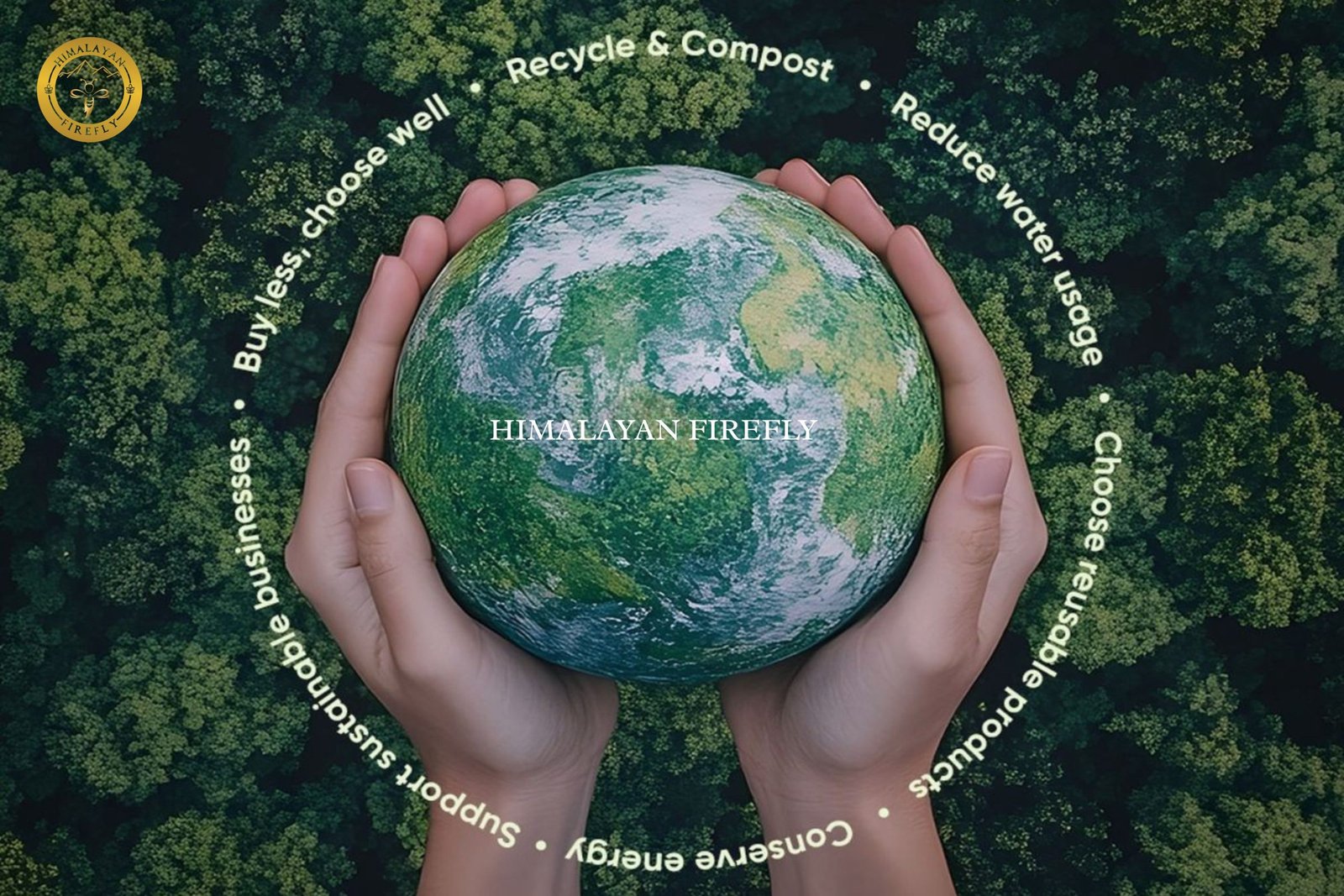
Sustainability as a Lifestyle, Not a Passing Trend
Trends evolve, but lifestyles endure.
Why Sustainability as a Lifestyle Creates Lasting Impact
When Sustainable way is treated as a lifestyle, focus shifts from occasional eco-friendly acts to consistent everyday behavior. Values begin to guide decisions at home, at work and within communities. This consistency builds accountability from within, rather than relying on external validation.
Over time, sustainable choices become habitual, natural and integrated into daily routines.
Conscious Living Practices and Everyday Awareness
Awareness transforms routine actions into responsible choices.
How Conscious Living Practices Support Sustainability
Conscious living practices encourage individuals to slow down and recognize the impact of their actions on both people and the planet. Mindful eating, thoughtful purchasing and reducing unnecessary waste all contribute to a more balanced way of living.
Beyond physical habits, conscious living also includes emotional and mental awareness— choosing patience, gratitude and balance over excess and speed.
Sustainability Beyond Labels and Certifications
Labels can guide decisions, but they cannot define values.
Why Sustainability Beyond Labels Matters
Sustainability beyond labels emphasizes that certifications alone do not guarantee ethical behavior. True sustainability is reflected in transparency, consistency and respect for ecosystems. Labels may indicate compliance, but values determine commitment.
Living sustainably means making responsible choices even when recognition is absent and accountability is internal.
Respect for Nature as a Lifestyle Choice
Nature is not merely a resource—it is a relationship.
Building a Respect-for-Nature Lifestyle
A respect for nature lifestyle acknowledges the interdependence between humans and the environment. It encourages harmony rather than control. Spending time in natural spaces, understanding seasonal rhythms and protecting biodiversity all strengthen this relationship.
When nature is treated as a partner rather than a commodity, sustainable living becomes intuitive and enduring.
Ethical and Responsible Living in Modern Life
Ethics form the foundation of sustainability.
Why Ethical and Responsible Living Is Essential
Ethical and responsible living considers the social and environmental impact of everyday choices. It involves supporting fair practices, reducing harm and acting with empathy toward both people and ecosystems.
This ethical grounding ensures that sustainability remains rooted in justice, care and long- term responsibility.
Nature Inspired Living and Inner Balance
Nature offers lessons in simplicity and resilience.
Learning Through Nature Inspired Living
Nature inspired living draws wisdom from natural systems—balance, renewal and adaptability. It encourages slower living, reduced dependence on excess and appreciation for natural processes.
Living in rhythm with nature supports both environmental sustainability and personal well- being, fostering clarity and contentment.
The Role of Himalayan Firefly in Conscious Living
Values hold meaning only when they are lived.
Himalayan Firefly and a Sustainable Living Mindset
Himalayan Firefly reflects the belief that sustainability is grounded in intention rather than appearance. By honoring natural resources, traditional wisdom and responsible practices, itsupports a lifestyle that respects both people and the planet.
This approach resonates with those who view sustainability as a lived experience rather than a label.
Challenges in Adopting a Sustainable Living Mindset
Meaningful change requires patience.
Overcoming Barriers to Sustainable Living
Modern convenience, fast consumption and social pressure can make sustainable choices challenging. Adopting a sustainable living mindset involves resisting shortcuts and prioritizing long-term value over immediate comfort.
Progress may be gradual, but consistency leads to lasting transformation.

Why Small Choices Create Big Impact
Individual actions matter.
The Power of Daily Sustainable Decisions
Small, everyday decisions—reducing waste, conserving resources, choosing quality over quantity—accumulate into significant impact. When practiced collectively, these choices influence communities, markets and cultural norms.
A sustainable living mindset thrives on these quiet, persistent actions.
Frequently Asked Questions (FAQs)
Q1. What is a sustainable living mindset?
It is an approach to life focused on mindful choices, long-term impact and harmony with nature.
Q2. How is sustainability different from eco-friendly products?
Eco-friendly products support sustainability, but true sustainability is defined by mindset and behavior.
Q3. Can sustainability exist without labels?
Yes. Sustainability beyond labels prioritizes actions, ethics and consistency over certifications.
Q4. Is sustainable living expensive?
Not necessarily. It often reduces waste and promotes long-term savings.
Q5. How can I begin living more sustainably?
Start with awareness, reduce excess and make small, consistent changes.
Q6. Why is connection with nature important?
It fosters respect, responsibility and understanding of natural limits.
Conclusion
Sustainability is not something to claim—it is something to live. When embraced as a mindset rather than a label, it becomes woven into everyday choices, values and relationships with the natural world. Sustainability-as-a-way-of-living-not-a-label moves beyond surface-level actions and creates a deeper, more meaningful connection with life itself.
Through conscious living, ethical responsibility, and respect for nature, sustainability transforms into a quiet yet powerful way of living—rooted in balance, awareness and integrity.


