
The Firefly Journal
Himalayan Wellness Practices: From Soil to Sacred Ritual

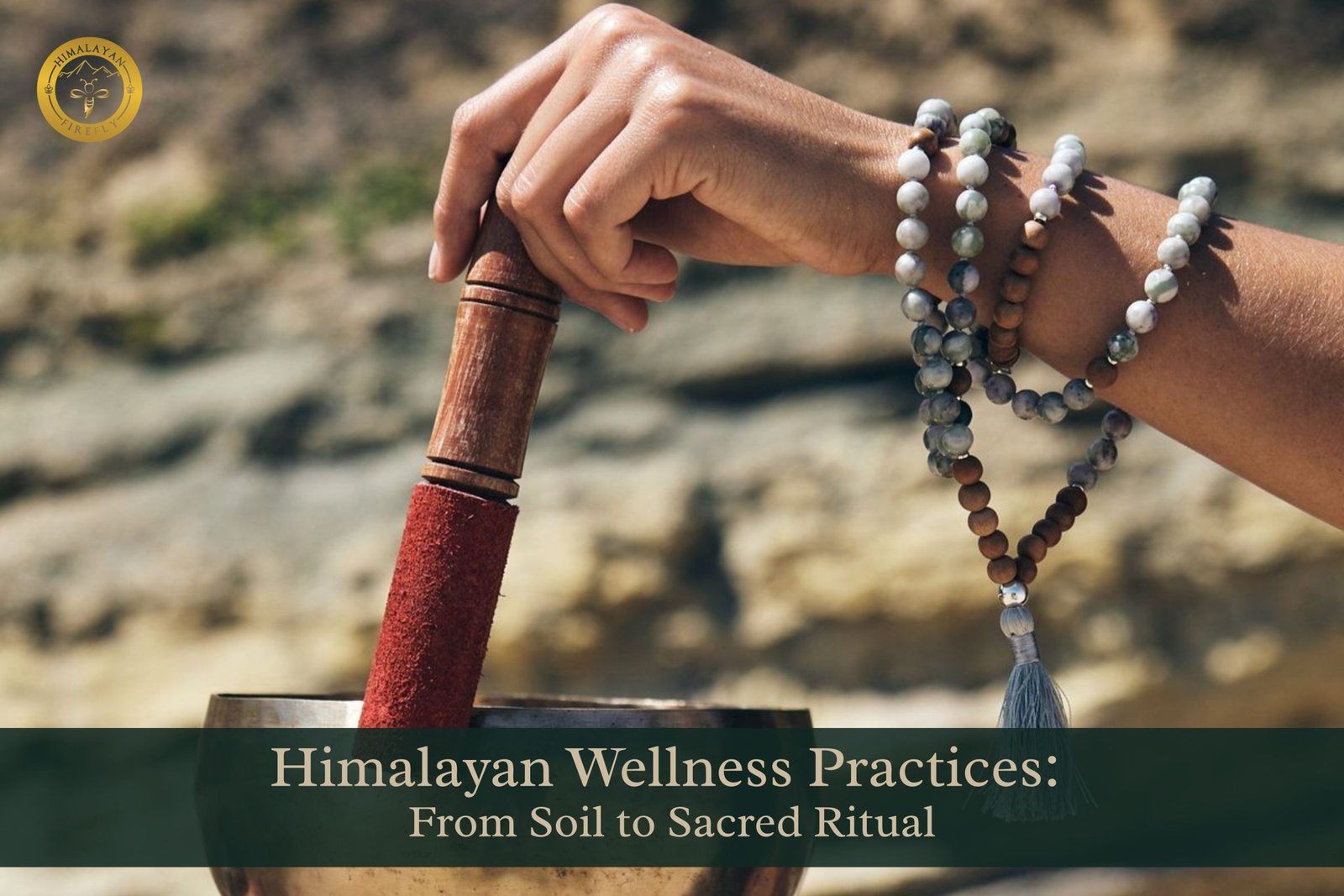
From Soil to Soul – Understanding Himalayan Wellness Practices
The mighty Himalayas are not just mountains; they are a living, breathing ecosystem that shapes culture, health and spirituality. For centuries, communities across these high altitudes have developed Himalayan wellness practices rooted deeply in their environment. From fertile valleys to icy peaks, nature determines how people eat, move, heal and pray. The soil here is enriched by glacial streams and mineral deposits. Crops grow slowly but powerfully. Herbs absorb the strength of high altitudes. Every plant, every stone, every drop of water plays a role in shaping daily health traditions.
This is not wellness as a trend. It is survival transformed into wisdom. It is balance shaped by climate. And today, brands like Himalayan Firefly honor these traditions by drawing inspiration from authentic mountain life, ensuring that the spirit of the mountains continues to shine in modern spaces.
The Sacred Soil Behind Himalayan Wellness Practices
Mineral-Rich Earth and Herbal Potency
In mountain villages, soil is treated as sacred. Farmers believe the strength of the earth flows into the herbs and grains they cultivate. The high-altitude terrain produces resilient medicinal plants used in traditional Himalayan healing practices.
Herbs such as juniper, rhododendron and wild tulsi are harvested carefully. Collection often follows lunar cycles. Elders guide younger generations, teaching them how to identify mature plants and protect younger growth.
This deep respect for land forms the base of nature rooted wellness practices. Communities waste nothing. Everything is honored. The soil is not exploited—it is protected. By respecting these ancient harvesting traditions, Himalayan Firefly reflects this same commitment to purity and sustainability.
Seasonal Farming and Rhythmic Living
The Himalayas experience strong seasonal shifts. Winters are harsh; summers are brief but fertile. These changes shape dietary patterns and herbal usage.
During colder months, warming spices and nutrient-rich grains dominate meals. In warmer months, people prefer lighter foods and cooling herbs. This alignment with seasons builds resilience and reflects ancient mountain wisdom passed down for generations.
Daily Himalayan Wellness Practices Through Ritual
Sunrise as a Sacred Beginning
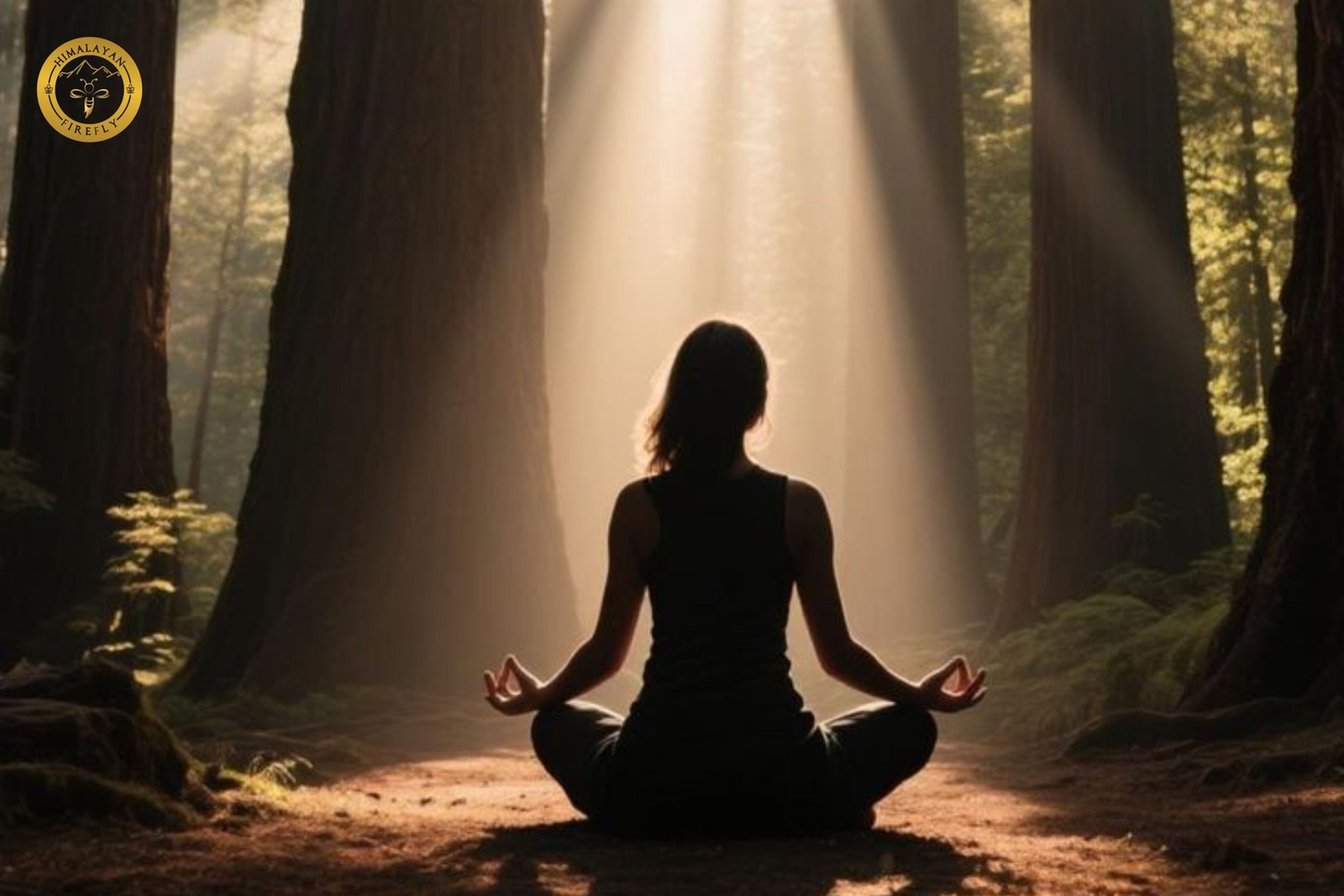
In the mountains, the day begins early. As sunlight touches snow-covered peaks, many households light lamps or incense. These daily wellness rituals from the Himalayas create calm and focus.
Morning practices often include:
- Gentle stretching or yoga
- Deep breathing in crisp air
- Herbal tea brewed fresh
- Silent gratitude or prayer
This routine supports emotional balance and physical strength. It also sets intention for the day.
Cleansing the Body and Space
Purification is central to Himalayan wellness practices. Families cleanse homes with herbal smoke. Residents use spring water for bathing. Families treat even kitchens as sacred spaces. Communities believe juniper smoke clears stagnant energy. These rituals are simple but meaningful. They help maintain harmony within the home and community. Such mindful traditions continue to inspire brands like Himalayan Firefly, which emphasize intention and purity in everyday living.
Food as Medicine in Himalayan Wellness Practices
Mountain Diet and Nutritional Balance
Food in the Himalayas is practical yet powerful. Families design meals to fuel physical labor and withstand cold climates. Grains like barley and buckwheat are staples.
A typical meal may include:
- Lentil soup rich in protein
- Flatbread made from hardy grains
- Fermented vegetables for digestion
- Herbal infusions
This style of eating supports holistic living in the Himalayas by nourishing body and mind.
Mindful Eating Traditions
Before meals, many families pause to give thanks. People eat slowly and avoid distractions. This mindful approach improves digestion and strengthens family bonds.
Such habits reflect mountain inspired wellness, where even ordinary moments become sacred.

Movement and Breath in Himalayan Wellness Practices
Walking as Natural Exercise
Life in mountainous terrain requires daily movement. Villagers walk steep paths, carry goods and tend to livestock. People weave physical activity into daily life.
This natural exercise builds stamina and lung capacity. Unlike modern gym routines, it feels purposeful and integrated.
Breathwork and Meditation
Regions like Rishikesh are known worldwide for yoga and meditation. High-altitude air encourages slow, deep breathing.
Breathwork strengthens the respiratory system and calms the nervous system. Meditation enhances clarity. These practices form a strong pillar of Himalayan wellness practices and have inspired global wellness movements. You can learn more about India’s traditional systems through the Ministry of AYUSH.
Spiritual Foundations of Himalayan Wellness Practices
Sacred Spaces in Everyday Life
Temples and monasteries are common across mountain regions. Prayer flags flutter in strong winds, carrying blessings across valleys.
Spiritual practice is not separate from life. It is part of it. People pause during the day to chant or reflect.
Gratitude as Daily Practice
Gratitude strengthens community bonds. Harsh climates teach resilience. Families rely on one another during difficult seasons. This builds compassion and unity.
Such values are core to ancient mountain wisdom, reminding people that health includes emotional and spiritual well-being.
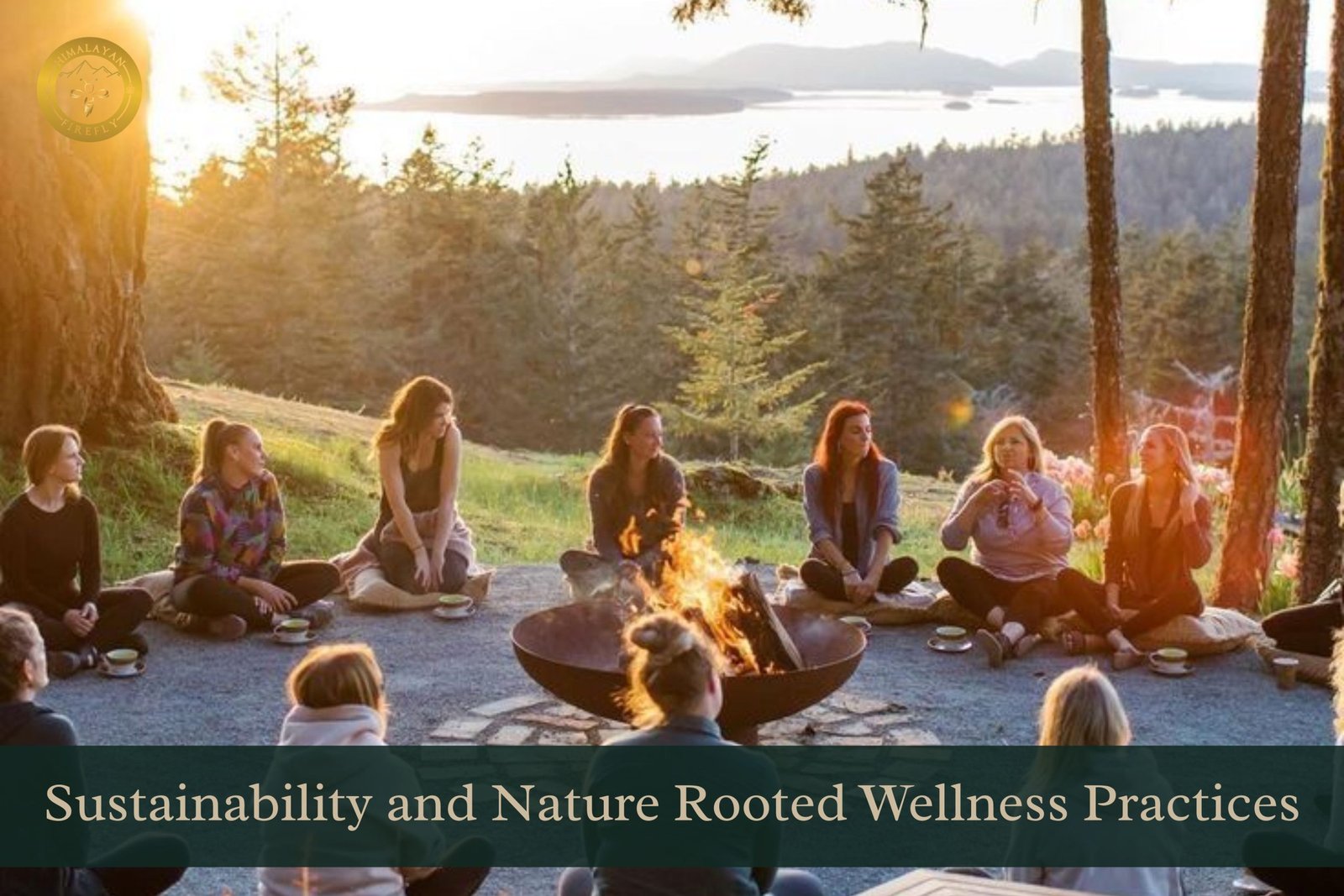
Sustainability and Nature Rooted Wellness Practices
Eco-Friendly Living in Mountain Communities
Communities build homes using stone, wood and mud. Locals gather water from nearby mountain streams. Waste is minimal.
These sustainable habits reflect a lifestyle centered on balance. By protecting the environment, communities protect their health.
Modern Interpretation Through Himalayan Firefly
Himalayan Firefly draws inspiration from authentic mountain traditions. By respecting ingredients, rituals and sourcing methods, the brand connects modern consumers with the essence of Himalayan wellness practices. The goal is not imitation but preservation—keeping mountain heritage alive in contemporary spaces while honoring the soil, the rituals and the spirit that define the Himalayas.
Frequently Asked Questions About Himalayan Wellness Practices
Q1. What are Himalayan wellness practices?
They are health traditions shaped by mountain climate, soil, herbs, food and spiritual rituals.
Q2. How do traditional Himalayan healing practices work?
They use herbal remedies, breathwork, seasonal eating and cleansing rituals to maintain balance.
Q3. Can daily wellness rituals from the Himalayas be practiced at home?
Yes. Simple habits like mindful breathing, herbal tea and gratitude rituals can be adopted anywhere.
Q4. What is mountain inspired wellness?
It refers to health practices influenced by high-altitude living, natural elements and simple routines.
Q5. Why is soil important in Himalayan traditions?
Mineral-rich soil produces potent herbs that form the base of many remedies.
Q6. How does holistic living in the Himalayas support long-term health?
It combines diet, movement, spirituality and sustainability into one balanced lifestyle.
Conclusion – Bringing Himalayan Wellness Practices Into Modern Life
The journey from soil to ritual reveals a powerful truth: people cultivate health through shared ecosystems and rituals.It grows from the earth, flows through daily habits and strengthens through community and gratitude.
Himalayan wellness practices teach us to slow down, breathe deeply, eat mindfully and live sustainably. They show us that true wellness begins beneath our feet—in the soil—and extends to every ritual we perform. By embracing even small elements of mountain tradition and through mindful brands like Himalayan Firefly that honor these roots, we reconnect with balance, resilience and purpose. In doing so, we celebrate the timeless spirit of the Himalayas and carry its light into our modern lives.


