The Firefly Journal
Beyond Organic: Understanding Origin,Seasonality and Respect for Nature

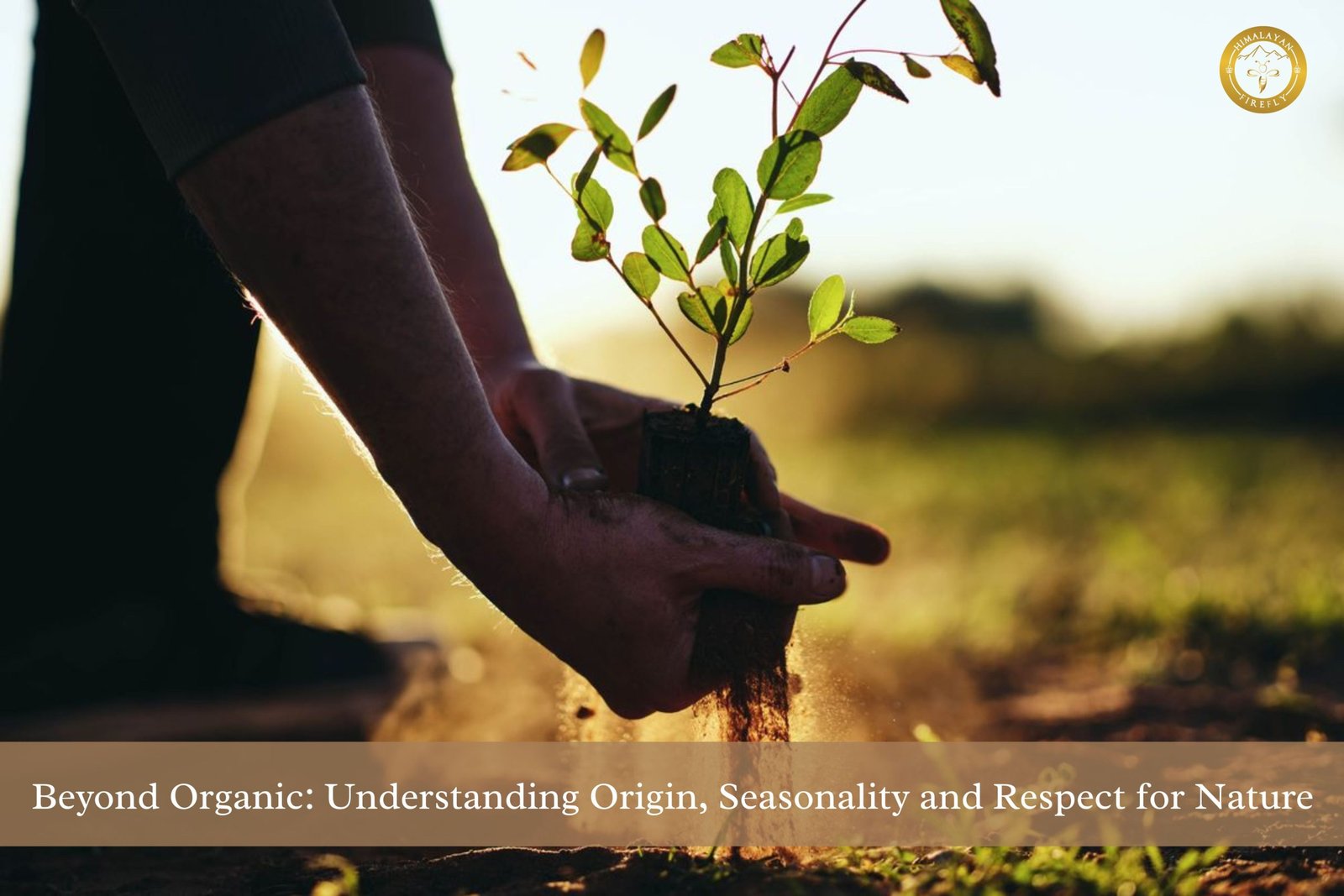
Organic has become a familiar word in modern wellness conversations. Labels promise purity, health, and sustainability, yet many people are beginning to question whether organic alone is enough. True well-being is not only about what we consume, but how and why it is produced. This deeper awareness has given rise to a more mindful approach known as beyond organic living.
Beyond organic living invites us to look past certifications and marketing claims and reconnect with the origins of what nourishes us. It emphasizes ethical relationships with nature, thoughtful consumption and alignment with natural rhythms. This philosophy reflects a shift from convenience-driven choices to conscious living rooted in respect, balance and responsibility.
Why “Beyond Organic” Is a Necessary Evolution
Organic standards play an important role, but they often address only part of the story.
The Limits of Organic Labels
Organic certification focuses primarily on how crops are grown, particularly the absence of synthetic chemicals. While this is valuable, it does not always consider the environmental footprint of transportation, the treatment of farming communities or the long-term health of ecosystems.
Beyond organic living expands the definition of sustainability by including how food is sourced, how land is respected and how choices affect both people and the planet.
The Origin of Food and Ingredients
Understanding where food comes from is a cornerstone of conscious living.
Why Origin Matters
The provenance of food and ingredients refers to their origin, history and journey from source to consumer. Knowing this story builds trust and encourages accountability throughout the supply chain. When consumers value provenance, producers are encouraged to prioritize quality, transparency and integrity.
Food grown in its natural environment, handled with care and shared responsibly carries both nutritional and cultural richness.
Ethical Sourcing of Ingredients as a Moral Choice
Sustainability begins with fairness.
Respecting People Behind the Product
Ethical sourcing of ingredients ensures that farmers, artisans, and workers are treated with dignity and paid fairly. It also supports traditional knowledge systems that protect biodiversity and local food heritage.
Ethical sourcing creates a direct connection between consumer choices and the livelihoods of those who work closely with nature, reinforcing a cycle of mutual respect.
Seasonality in Food and Living
Nature operates in cycles, not schedules.
Eating and Living With the Seasons
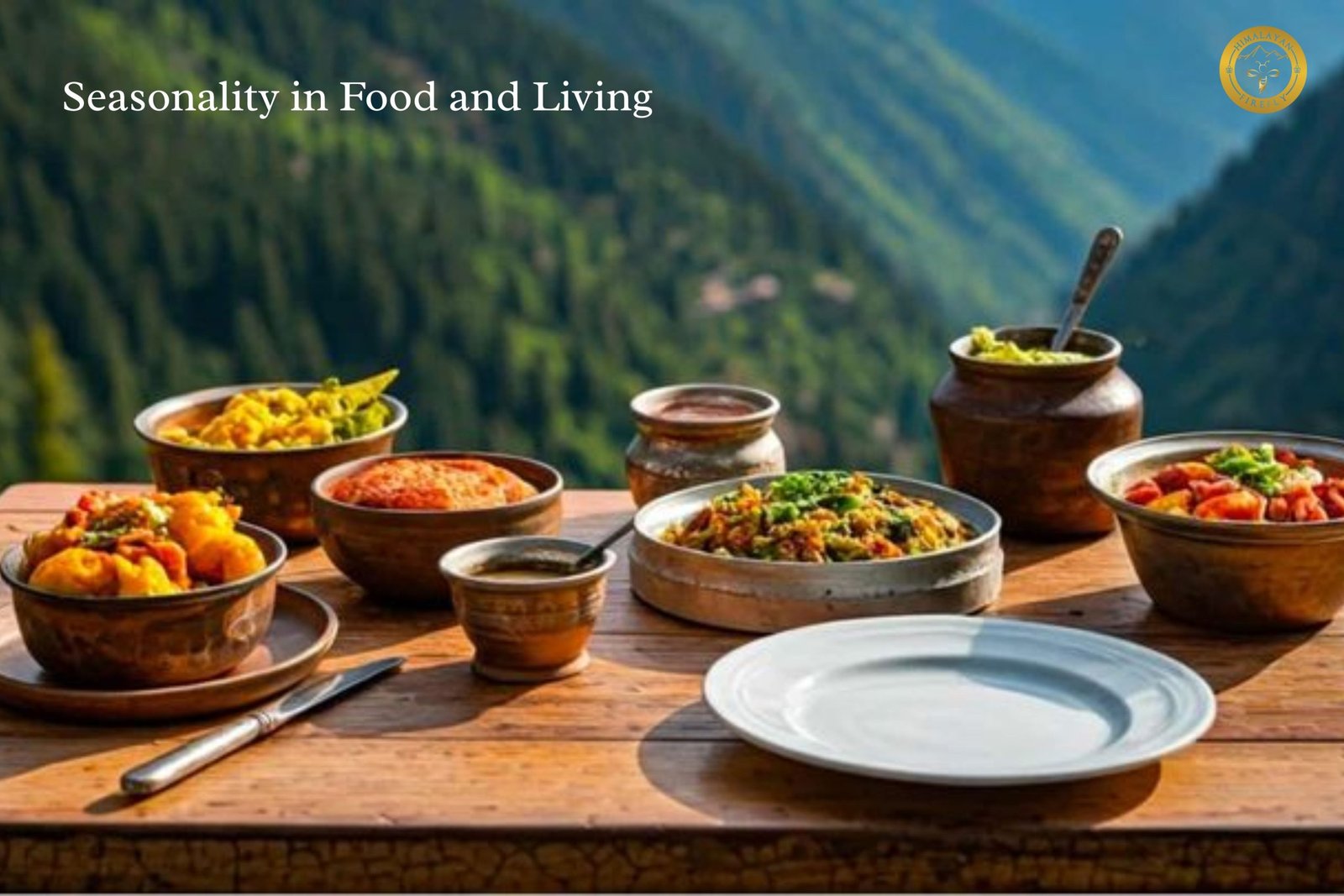
Seasonality in food and living encourages consumption patterns aligned with natural harvest cycles. Seasonal foods are fresher, more nutritious, and better suited to the body’s needs at different times of the year.
Beyond nutrition, seasonality teaches patience and awareness. It reminds us that abundance comes and goes and that living well requires adaptability rather than constant availability.
Conscious Living Practices Beyond Consumption
Wellness extends beyond what is on the plate.
Mindful Daily Choices
Conscious living practices include mindful eating, responsible consumption, reduced waste and intentional living. These practices encourage individuals to slow down, observe their impact and make choices aligned with their values.
Living consciously fosters a deeper connection with nature and cultivates gratitude for the resources that sustain life.
Sustainable Living Beyond Organic
True sustainability is holistic.
Looking Beyond Certifications
Sustainable living beyond organic includes water conservation, soil regeneration, biodiversity protection and minimal environmental impact. It recognizes that sustainability is not a single label but an ongoing commitment.
This approach values long-term ecological health over short-term convenience, ensuring that future generations inherit a thriving planet.

Respect for Nature Philosophy
Nature is not a resource to be exploited but a partner to be honored.
Reframing the Human–Nature Relationship
The respect for nature philosophy emphasizes coexistence rather than control. It calls for humility, understanding that human well-being is inseparable from the health of ecosystems.
When people adopt this philosophy, daily choices—from food to lifestyle—become acts of stewardship rather than consumption.
How Beyond Organic Living Shapes Daily Life
This philosophy influences every aspect of living.
From Food to Lifestyle
Choosing local produce, reducing waste, supporting ethical brands, and aligning with seasonal rhythms all reflect beyond organic living. These choices create a lifestyle rooted in balance rather than excess.
Such living nurtures physical health, mental clarity and emotional connection to the natural world.

The Role of Traditional Wisdom in Conscious Living
Ancient practices offer timeless guidance.
Learning From Nature-Based Cultures
Traditional communities have long practiced sustainable living through respect for land, seasons and resources. Their wisdom reinforces the principles of ethical sourcing, seasonality, and ecological balance.
Integrating this wisdom into modern life bridges the gap between progress and preservation.
Challenges in Adopting a Beyond Organic Lifestyle
Conscious living is a journey, not perfection.
Navigating Modern Constraints
Urban lifestyles, limited access to ethical products, and convenience-driven habits can make change challenging. However, small, consistent choices gradually build meaningful impact.
Awareness is the first step toward alignment with nature.
The Future of Conscious and Sustainable Living
The shift is already underway.
A Collective Movement Toward Balance
As more people question conventional consumption, beyond organic living is becoming a shared aspiration rather than a niche concept. This collective shift encourages industries to adopt transparency, sustainability and respect for nature.
The future of wellness lies in harmony, not excess.
Frequently Asked Questions (FAQs)
Q1. What does beyond organic living mean?
It refers to a holistic lifestyle that values ethical sourcing, seasonality, and respect for nature beyond organic certification.
Q2. How is this different from organic living?
Organic focuses on production methods, while beyond organic includes origin, ethics and ecological impact.
Q3. Why is provenance important in food choices?
Knowing origin builds trust, supports ethical practices and preserves food integrity.
Q4. How does seasonality support sustainability?
Seasonal living reduces environmental impact and aligns consumption with natural cycles.
Q5. Can conscious living be practiced in cities?
Yes, through mindful choices, reduced waste, and support for ethical sourcing.
Q6. Is beyond organic living expensive?
It prioritizes thoughtful consumption over excess, often reducing unnecessary spending.
Conclusion
Organic is an important step, but it is not the destination. True well-being emerges when choices honor nature, people, and time itself. Beyond organic living invites a deeper relationship with food, seasons and the earth—one rooted in respect, awareness and responsibility, a philosophy reflected in the values behind Himalan Firefly.
By valuing provenance, embracing seasonality, and practicing conscious living, individuals move toward a lifestyle that nourishes both body and planet. In a world seeking balance, this philosophy—championed by Himalan Firefly—offers a meaningful path forward, one that listens to nature rather than trying to control it.